
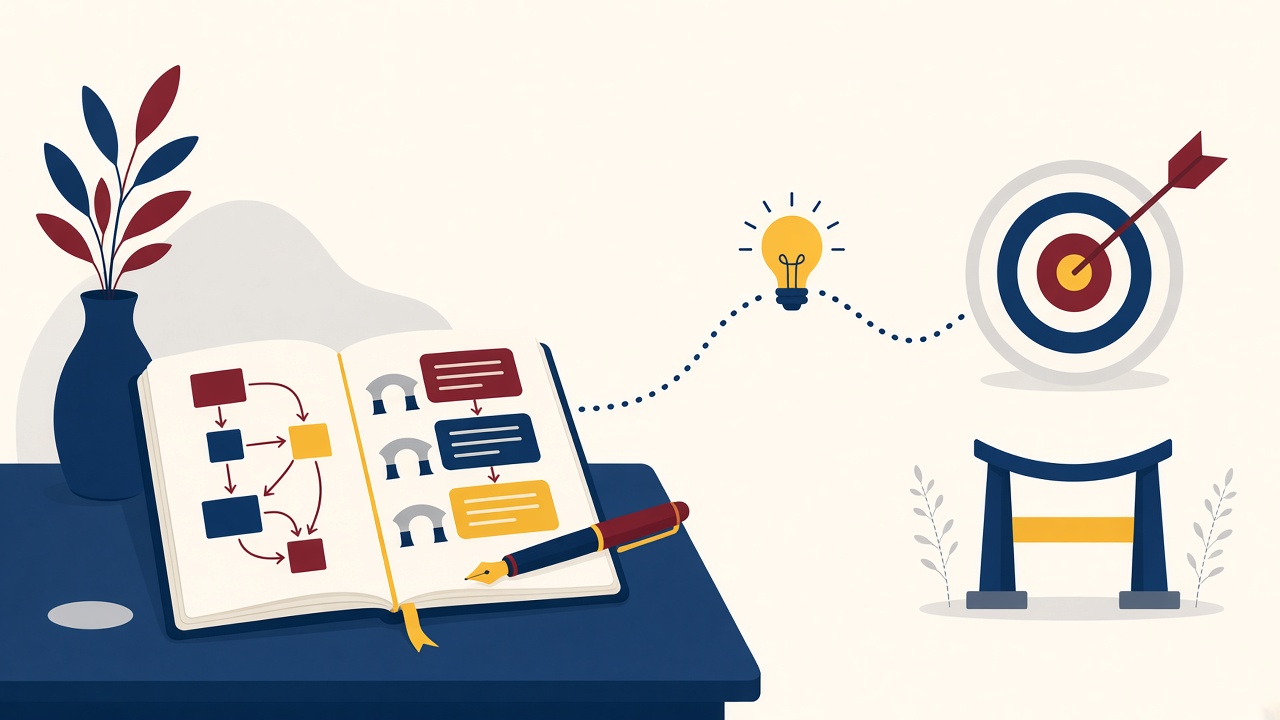
تکلیف شما
- هدف
- Develop a clear understanding of your own ethical framework and give others a chance to hear about and discuss ethics in your organisation or community.
- نمای کلی
- Define your personal ethical framework (this may need research beyond this project). Then organise and moderate a 20–40 minute panel discussion about ethics, followed by a Q&A session. New to panels? Review the “Moderate a Panel Discussion” elective. You may hold it outside Toastmasters with VPE approval and at least one Toastmaster present.
Assess your skills#
مهارتهای خود را ارزیابی کنید#
سطح مهارت فعلی خود را با امتیاز دادن به هر یک از گزارههای زیر (از ۱ تا ۵) ارزیابی کنید. ستون «پیش از ارائه» را اکنون و ستون «پس از ارائه» را پس از پایان پروژه کامل کنید.
- ۵ شایان تقلید
- ۴ بسیار خوب
- ۳ چیرهدست
- ۲ رو به رشد
- ۱ نیازمند بهبود
| گزاره | پیش از ارائه | پس از ارائه |
|---|---|---|
| I clearly understand ethical leadership. | ||
| I can identify its key elements. | ||
| I can discuss the impact of ethical and unethical decisions. | ||
| I can give examples of ethical leadership in my decisions. | ||
| I have a clear ethical framework I can describe. | ||
| I can see how this project applies to my life outside Toastmasters. |
Competencies#
- Identify the key elements of ethical leadership
- Demonstrate an understanding of ethical leadership
- Recognise and address the impact of ethical and unethical decisions
- Show the value of ethics in every decision
- Identify the steps in making difficult decisions
- Develop an ethical framework and use it for difficult decisions
The meaning of ethics#
Right and wrong are open to interpretation. Situation (one organisation answers mail in three days, another in one(, culture )eye contact is respectful in some places, rude in others), profession, religious or family values and organisational rules all shape ethics. Ethics may rest on fairness or on accepted principles such as honesty, justice and avoiding harm.
Your ethical framework#
Built over time from experience, learning and role models, your framework is the foundation for ethical choices — like being a trained, licensed driver rather than learning by struggle. It is personal and may evolve.
| Characteristic | Meaning |
|---|---|
| Internal consistency | Principles that do not contradict (honesty is fundamental vs. dishonesty under pressure is fine) |
| Proactivity | Tells you what to do, moving toward solutions, not just avoiding harm |
| Dynamism | Re-evaluate as your role, life and circumstances change |
Personal and organisational ethics
Your framework should align with your organisation’s vision and mission — a collaborative leader clashes with a culture of unilateral decisions — unless you were brought in to change that culture.
Making ethics a topic for discussion#
Everyone, from newcomer to top leader, should ask and answer questions about ethical assumptions. Be transparent: explain and uphold your decisions, and say what changed your mind if it changes — this builds trust even with those who disagree.
| Element | Point |
|---|---|
| Ethical thought | Meaningless without action |
| Ethical action | Words contradicted by behaviour (preaching charity, never donating) are not ethical |
| Consequences | Even small lapses damage relationships |
Ethical leadership is shared: give people freedom to ask, chances to lead and room to be role models.
Making difficult decisions#
There may be more than one right answer — and all may be unpopular. Sometimes the goal is the least harmful choice. Putting the organisation above your own interests is ethical, but habitual self-sacrifice exhausts leaders and can be the less ethical choice.
- Open a discussion and encourage conversation before deciding.
- Support understanding by sharing your view and inviting others’.
- Accept that not everyone will be happy.
- Respect confidentiality when culture, ethics or stability require it.
| Consider the consequences | Example: a failing business |
|---|---|
| Be honest | Tell staff early instead of posting a sudden closure notice |
| Be fair | Give people time to plan their futures |
| Be respectful | Honesty plus fairness shows the highest respect |
| Build context | Be as honest as possible as soon as possible; small ethical choices make big ones clearer |
Collaborate whenever possible, whatever your style, and keep communication open to build trust and limit rumour and resentment.
Growing as an ethical leader#
- Improve nonverbal, listening and written communication.
- Keep learning — ethics needs continuing education.
- Build cultural sensitivity and turn it into an inclusive environment that values all traditions.
- Hold yourself accountable, accept feedback, re-examine regularly and put right any lapse.