
تکلیف شما
- هدف
- Apply your skills as a speaker and leader to facilitate a panel discussion.
- نمای کلی
- Plan and moderate a 20–40 minute panel discussion on any topic, at a club meeting or (with VPE approval) outside Toastmasters. Toastmasters panelists do not receive Pathways credit. When you can, volunteer as a panelist for another member doing this project.
Assess your skills#
مهارتهای خود را ارزیابی کنید#
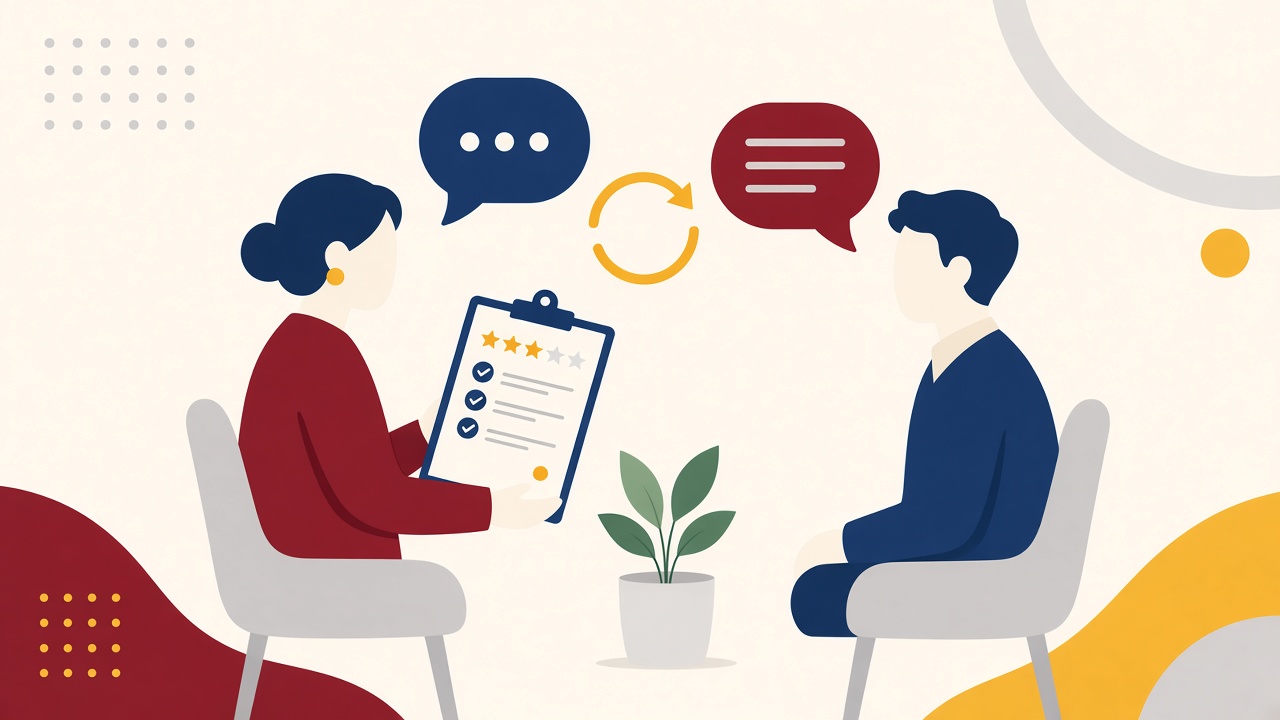
سطح مهارت فعلی خود را با امتیاز دادن به هر یک از گزارههای زیر (از ۱ تا ۵) ارزیابی کنید. ستون «پیش از ارائه» را اکنون و ستون «پس از ارائه» را پس از پایان پروژه کامل کنید.
- ۵ شایان تقلید
- ۴ بسیار خوب
- ۳ چیرهدست
- ۲ رو به رشد
- ۱ نیازمند بهبود
| گزاره | پیش از ارائه | پس از ارائه |
|---|---|---|
| I am comfortable directing a group conversation. | ||
| I can keep a group on topic. | ||
| I know what a moderator does before, during and after a panel. | ||
| I can field any questions or concerns. | ||
| I can foster a comfortable environment. | ||
| I can handle the unexpected when moderating. | ||
| As a panelist, I know what to expect, can speak as an expert, share time and debate without getting personal. | ||
| I can see how this project applies to my life outside Toastmasters. |
Competencies#
- Practise effective moderation techniques
- Choose panelists suited to the subject
- Prepare yourself and the participants
- Be ready to answer questions or concerns
- Follow correct etiquette before, during and after
- Foster a comfortable environment for learning and interaction
Roles and preparation#
The moderator generates questions to keep the conversation moving, brings expertise and gives the audience a memorable, educational experience. A panelist stays focused and contributes to an informative, interesting discussion.
| Moderator | Panelist |
|---|---|
| Research a topic you are given, or choose one from your objectives, interests and expertise — passion makes a dynamic panel | Talk to the moderator about purpose and context; study news and data linking your topic to the audience |
| Know the audience and the topic’s impact | Research other panelists; agree who covers what with like-minded ones; stay respectful |
| Plan for Q&A | List likely questions and answers; dress appropriately (professional is safe) |
| Research formal organisations’ background; if an audience member is contentious, acknowledge, restate your point calmly and defer to the moderator |
Invite the experts#
- Cover the viewpoints the audience needs to form their own opinion.
- Choose relatable, articulate people who can teach, answer varied questions and bring diverse skills, backgrounds and views.
- Up to four panelists usually works best; fewer if time is short.
- Give them the Panelist Basics.
Plan your questions#
Build questions around each panelist’s expertise and the event’s objective, plus likely audience questions. Use open-ended prompts (“Tell me more about your experience in the field”) that spark conversation between panelists.
Send context and questions in advance so panelists can research data and flag sensitive or off-limits topics — then avoid the topic or replace the panelist. Share the schedule and suggested response times.
Introductions#
Once seated, restate the topic from your publicity, introduce yourself and why you are moderating, then introduce the panelists (or let them, if pre-arranged) with their background and expertise.
Etiquette for panelists#
| Strategy | How |
|---|---|
| Share the time | Track your answers; watch body language; yield the floor |
| Personal stories | Only relevant, appropriate ones, prepared in advance |
| Respect | Debate, never attack; look at and listen to whoever is speaking |
| Unexpected questions | Pause, repeat the question, admit if you do not know and offer to follow up |
| Adapt your style | It is a conversation, not a speech; do not overload the audience |
Moderator: create a comfortable environment#
- Show poise in voice and body language; stay calm with surprises or challenging audience members (see “Managing a Difficult Audience”).
- Keep the panel’s objective central and track time so each panelist gets a fair share and you finish on time.
- Close sub-topics once covered.
- To stop a long answer: wait for the end of a point, thank them and explain you must move on.
Q&A and closing#
- Summarise the discussion, then open Q&A.
- Repeat each question and direct it to the best-suited panelist; use general questions to involve more people.
- If nobody asks, use your prepared questions.
- Redirect if one panelist monopolises; announce the last question; summarise again.
- Point people to a networking area if planned; thank the audience and participants and stay available.
When the panel goes wrong
Steer away from divisive topics, set time limits per panelist, switch to uninterrupted statements from each panelist — or, if nothing works, thank everyone and end the event.
Choose the best panelist answer#
| # | Question | Options |
|---|---|---|
| 1 | What is the most important thing to learn to be a successful speaker? | Practise: speak often and evaluate others / Avoid speaking until fully confident / Memorise every word |
| 2 | How does volunteering as a leader help my speaking? | Leaders get many chances to speak and hear strong speakers / You speak less but watch others / It brings no benefit |
| 3 | How do I start a speech for next year’s International Speech Contest? | Think of a topic nearer the time / Ask your mentor / Start now with a topic you love and enter club, area and district contests |